About Sauti Mission
A Kenyan non-profit organization advancing resilience across arid and semi-arid regions through integrated, community-driven solutions.
Who We Are
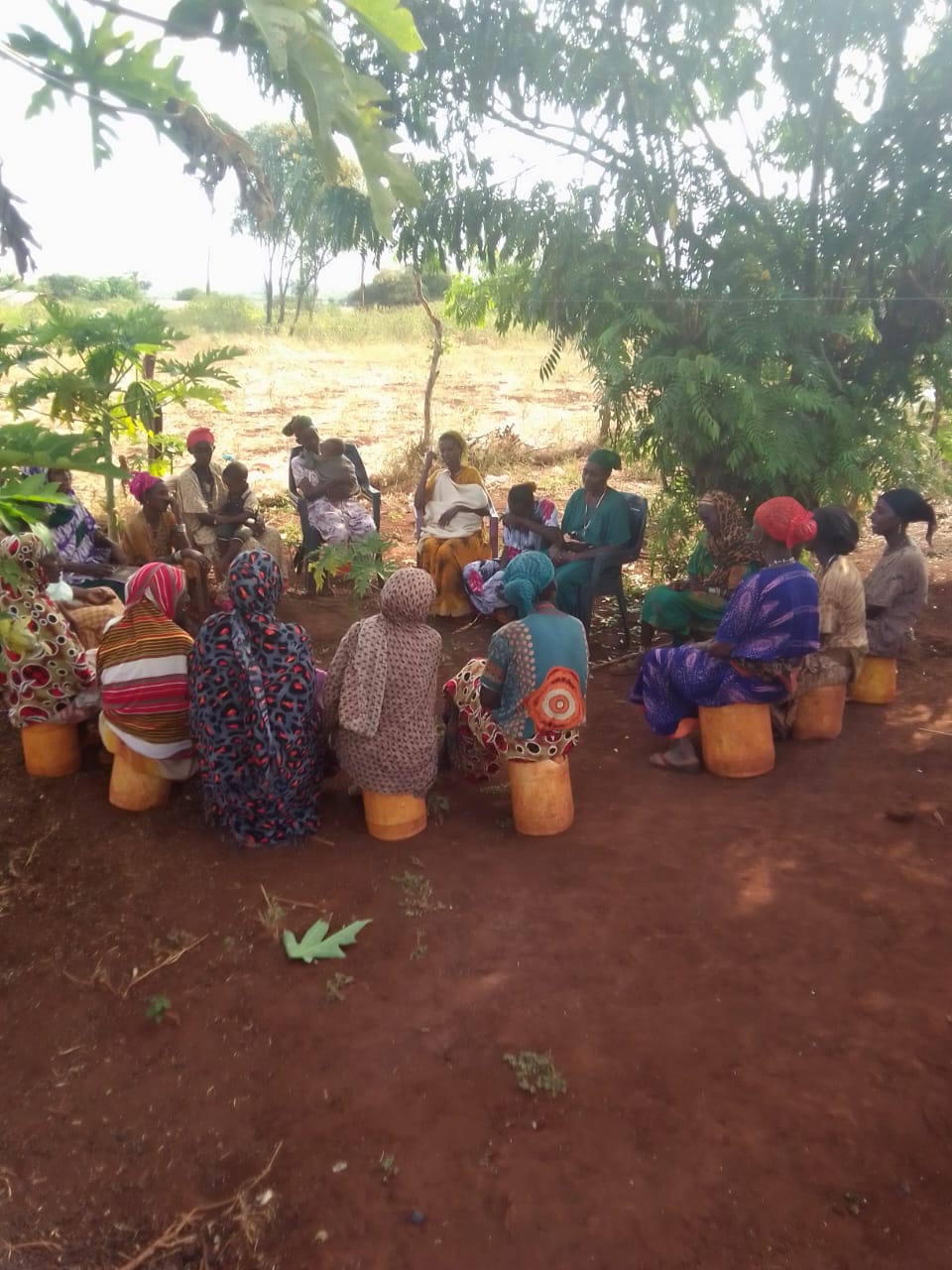
SMDO is a national development organization advancing resilience across Kenya's ASAL regions through integrated, locally driven solutions. We combine technical programming, community engagement, and systems thinking to address structural vulnerabilities in dryland economies.
Founded in 2010 as a community-based organization, we transitioned into a fully registered NGO in 2021 under Registration No. OP.218/051/21-002/12103.
Our work targets arid and semi-arid counties characterized by drought, fragile ecosystems, and limited market access—addressing systemic vulnerabilities affecting pastoral and agro-pastoral livelihoods.
Our Mission
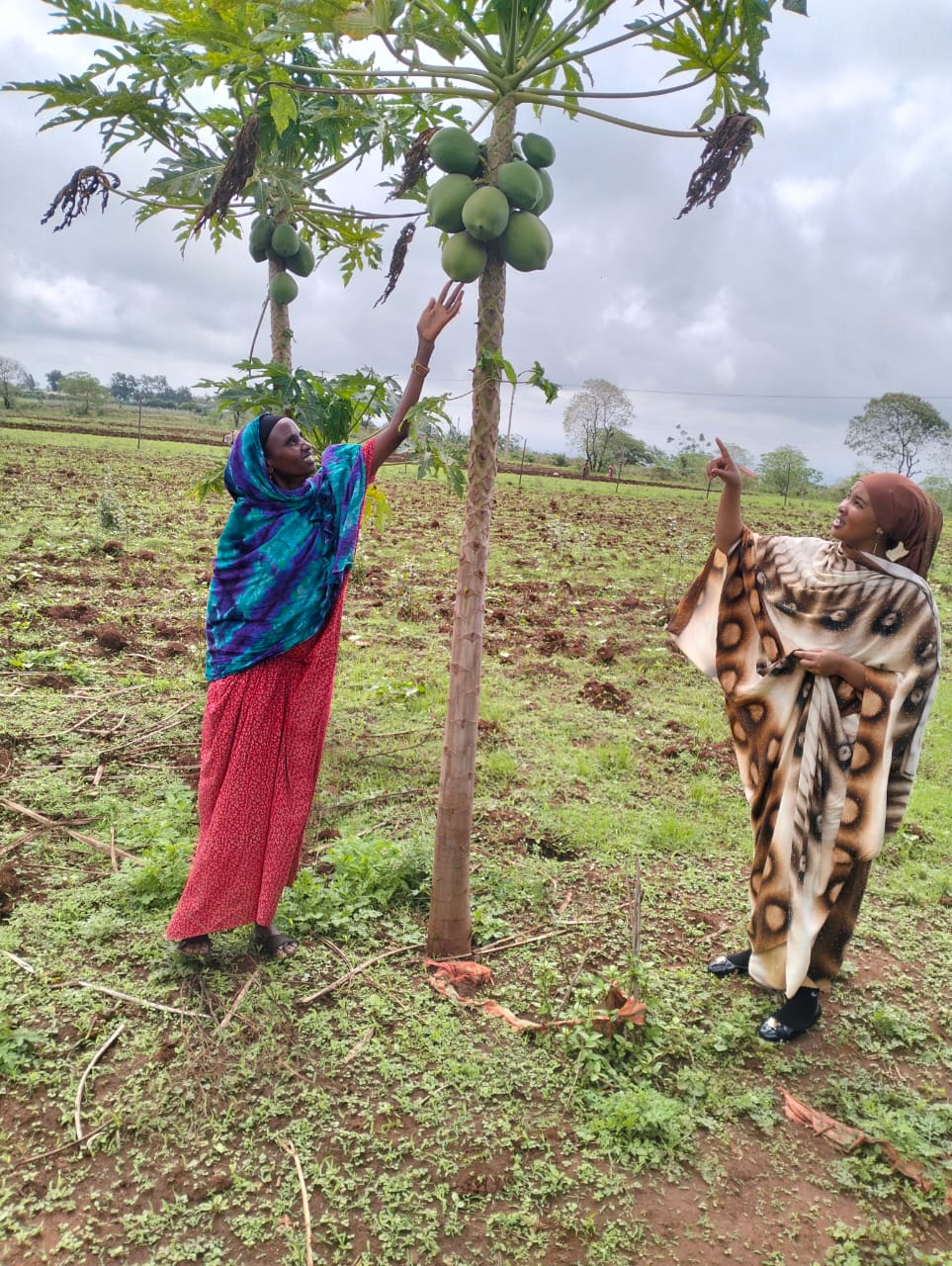
To empower pastoralist and livestock-dependent communities through sustainable development initiatives, education, advocacy, and innovative solutions that enhance their resilience, protect their cultural heritage, and improve their socio-economic well-being.
Our Vision
A resilient and thriving pastoralist and livestock-dependent community empowered with sustainable livelihoods, equitable opportunities, and a voice in decision-making for a prosperous future.
Our Approach
We implement an integrated resilience model connecting livestock systems, climate adaptation, local markets, and community institutions—bridging humanitarian response with long-term development.
Foundation
Our Core Values
Community-Led Development
We place communities at the center of all decision-making and program design
Evidence-Based Programming
Our work is grounded in data, research, and continuous learning
Equity & Inclusion
We ensure all community members benefit from our initiatives
Accountability & Transparency
We maintain the highest standards of financial and programmatic accountability
Operations
Where We Work
SMDO operates across Kenya with a focus on arid and semi-arid counties characterized by drought, fragile ecosystems, and limited market access.
Why ASALs?
- • Recurrent drought cycles
- • High livestock losses during shocks
- • Market isolation and limited access
- • Resource-based conflict dynamics